
Can Ozempic cause liver problems? Signs and Solutions Can Ozempic cause liver problems? Signs and Solutions

Can Ozempic cause liver problems? Signs and Solutions

Can Ozempic cause liver problems? Discover crucial signs and solutions to safeguard your health. Don’t ignore the symptoms-find out more now!

As Ozempic gains popularity for its effectiveness in managing diabetes and supporting weight loss, understanding its potential side effects has become crucial. One concern that patients and healthcare providers should address is the possibility of liver problems associated with this medication. Learning to recognize the signs of liver issues can help you take proactive steps for your health.

Recent discussions highlight that while many people benefit from Ozempic, others may experience adverse effects, including liver complications. It’s essential to connect these dots for those currently on the medication or considering it, as maintaining liver health is vital in managing overall well-being effectively. In this article, we will explore the signs of liver problems linked to Ozempic use and provide practical solutions to safeguard your health. Stay informed and empowered as you navigate your treatment journey.

Understanding Ozempic and Its Impact on Liver Health

Ozempic, a medication primarily used for the management of type 2 diabetes, has raised questions regarding its potential effects on liver health. Understanding the relationship between Ozempic and liver function is essential, especially for those undergoing treatment. Although clinical studies have not definitively linked Ozempic to liver damage, the medication can influence metabolic processes that involve the liver, necessitating careful monitoring.

The active ingredient in Ozempic, semaglutide, works by mimicking the effects of a hormone called GLP-1 (glucagon-like peptide-1) which plays a role in glucose metabolism and appetite regulation. As Ozempic alters these metabolic pathways, changes in liver enzymes may occur, reflecting changes in liver function. Patients with pre-existing liver conditions or those taking other medications metabolized in the liver should approach Ozempic with caution, as individual responses can vary.

Healthcare professionals typically advise regular liver function tests for patients on Ozempic to detect any signs of hepatic issues early. It’s crucial to establish a baseline liver enzyme level before starting the treatment and proceed with follow-up tests as needed, especially if symptoms such as unexplained fatigue, jaundice, or abdominal discomfort arise. Early detection and intervention can significantly mitigate further complications associated with liver health while using this medication.

In summary, while Ozempic offers benefits for managing diabetes, its impact on liver function warrants attention. Being proactive with monitoring and maintaining open communication with healthcare providers can help assure that any potential liver issues are addressed promptly, ensuring the treatment remains beneficial while safeguarding liver health.
Understanding Ozempic and Its Impact on Liver Health

Common Signs of Liver Problems with Ozempic

Recognizing the signs of liver problems while using Ozempic is crucial for maintaining overall health. While many individuals tolerate the medication well, liver health can be impacted, necessitating vigilance in monitoring for symptoms. Common indicators of liver issues include unexplained fatigue, which might manifest as a persistent feeling of tiredness that doesn’t improve with rest. This can often be overlooked or attributed to other lifestyle factors, making it essential to consider it in the context of Ozempic therapy.

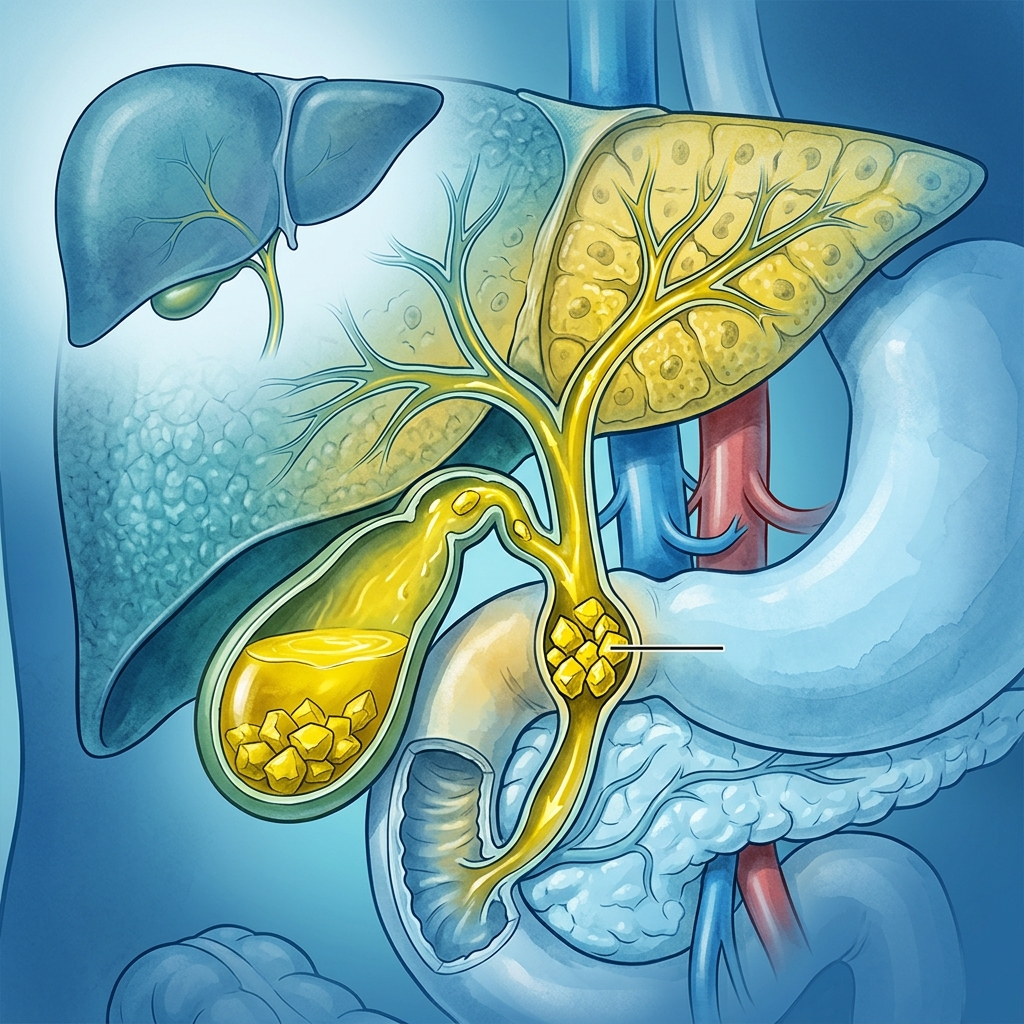
Another significant sign is jaundice, characterized by a yellowing of the skin and eyes. This occurs when bilirubin accumulates in the bloodstream due to liver dysfunction and should prompt immediate consultation with a healthcare provider. Additionally, people may experience abdominal discomfort or swelling, particularly in the upper right quadrant where the liver is located. Such discomfort can indicate an underlying issue that requires further investigation.

Other warning signs include dark urine and pale-colored stools, both of which can suggest changes in liver function. Dark urine may indicate high levels of bilirubin in the blood, while pale stools can result from impaired bilirubin secretion into the intestines. Individuals on Ozempic should also be aware of sudden changes in appetite; while the medication is designed to reduce appetite, any drastic decline or loss of interest in food accompanied by gastrointestinal symptoms can signal liver distress.

Monitoring these symptoms is imperative, as early detection of liver problems can facilitate timely intervention. For those experiencing any of these symptoms, it’s recommended to reach out to healthcare providers for appropriate liver function tests. Regular monitoring can empower patients to address potential liver issues and ensure that their diabetes management remains effective and safe.
Common Signs of Liver Problems with Ozempic

Risk Factors: Who Might Be Affected?

Certain individuals may be at an increased risk for liver complications when using Ozempic. Understanding these risk factors is crucial for effective management of both diabetes and overall liver health. Factors such as existing liver disease, excessive alcohol consumption, obesity, and older age are key determinants that can exacerbate potential adverse effects of Ozempic on liver function.

Key Risk Factors

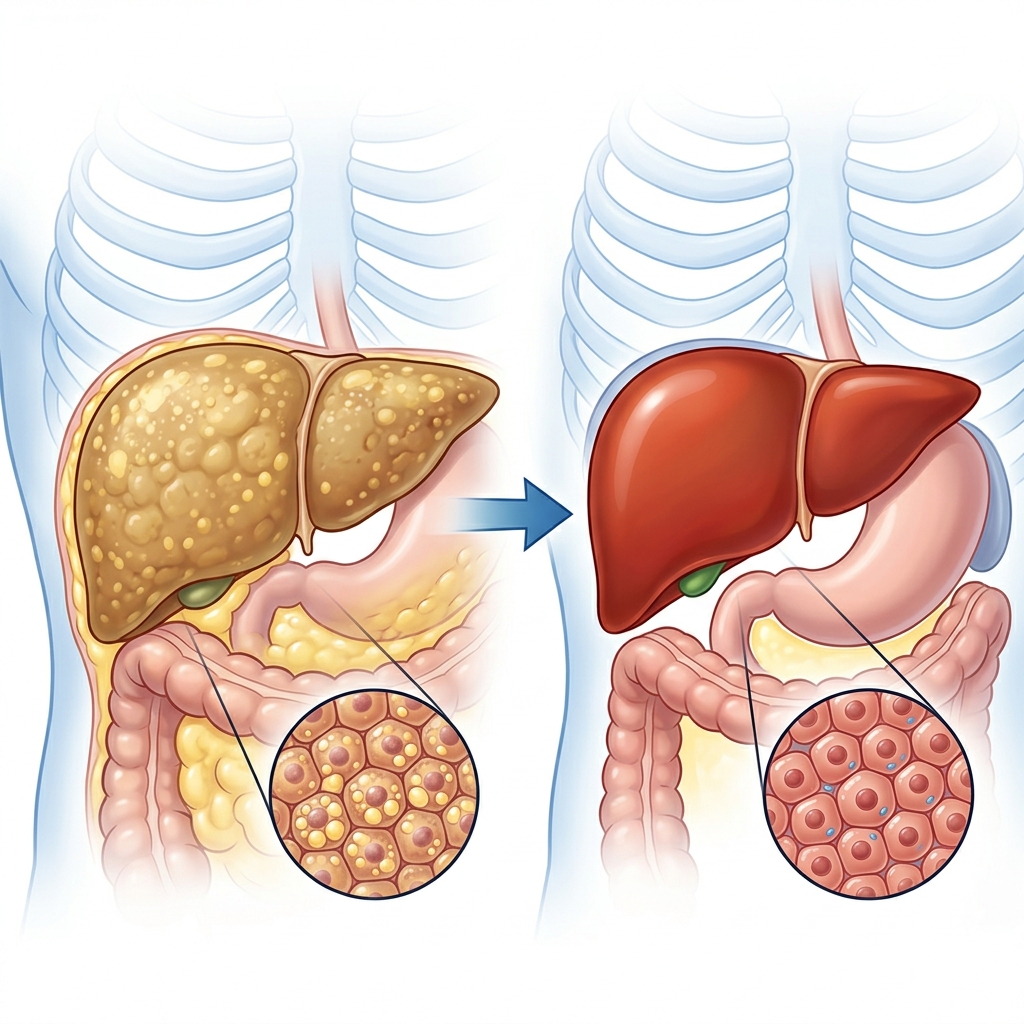
  • Pre-existing Liver Conditions: Individuals with chronic liver diseases, such as non-alcoholic fatty liver disease (NAFLD) or hepatitis, may experience heightened sensitivity to the metabolic changes induced by Ozempic. Monitoring liver enzymes and function in these patients is essential.
  • Alcohol Use: Regular or heavy alcohol consumption can further strain liver health. Patients should be encouraged to minimize alcohol intake while on Ozempic to mitigate the risk of liver damage.
  • Obesity: Those with obesity are predisposed to insulin resistance and fatty liver, making them more susceptible to the effects of medications like Ozempic. Weight management strategies in conjunction with pharmacotherapy can be beneficial.
  • Age: Older adults often exhibit a natural decline in liver function, making it essential for healthcare providers to carefully evaluate the risks and benefits when prescribing Ozempic to this demographic.

In addition to these risk factors, patients should also engage in regular communication with their healthcare providers. Establishing a proactive approach to monitoring liver function through routine blood tests can catch any emerging issues early on, allowing for timely intervention and adjustments to their treatment plan. By understanding their own individual risk profiles and making informed lifestyle choices, patients can better manage their health while using Ozempic.
Risk Factors: Who Might Be Affected?

How Ozempic Affects Liver Function

Ozempic (semaglutide) has gained attention as a medication not only for managing type 2 diabetes but also for its potential weight loss effects. However, its influence on liver function is a critical aspect that patients and healthcare providers must carefully consider. This glucagon-like peptide-1 (GLP-1) receptor agonist works by stimulating insulin secretion and inhibiting glucagon, which can affect metabolic processes throughout the body, including those in the liver. While Ozempic can lead to improved blood glucose control and weight loss, it may also induce metabolic changes that put stress on liver function, particularly for those with pre-existing conditions.

The liver plays a vital role in metabolizing medications, and the introduction of Ozempic can create shifts in how fat is processed in this organ. For some individuals, especially those with risk factors such as obesity, non-alcoholic fatty liver disease (NAFLD), or chronic liver conditions, these metabolic changes can exacerbate liver issues. It’s worth noting that some studies have suggested that GLP-1 receptor agonists may offer hepatic benefits, like reducing liver fat content and improving liver enzymes, highlighting the dual nature of Ozempic’s potential effects.

Monitoring is crucial during the use of Ozempic. Regular liver function tests are recommended to ensure enzymes remain within normal limits and to catch any abnormalities early. Patients should be vigilant for symptoms indicative of liver stress, such as excessive fatigue, jaundice, or unexplained abdominal pain. If these symptoms occur, it’s advisable to consult a healthcare provider promptly, as adjustments in therapy may be necessary.

To support liver health while using Ozempic, patients can adopt lifestyle changes that promote overall wellness. This includes maintaining a balanced diet, engaging in regular physical activity, and managing body weight effectively. For those who are heavy drinkers or have high-fat diets, reducing alcohol intake and adopting a more plant-based diet rich in antioxidants may prove beneficial. By actively participating in their health management and maintaining open communication with healthcare professionals, patients can navigate the complexities of Ozempic therapy while minimizing potential liver-related risks.
How Ozempic Affects Liver Function

Diagnostic Tests for Monitoring Liver Health

Monitoring liver health in individuals taking Ozempic is crucial due to the medication’s potential impact on liver function. Abnormalities in liver enzyme levels can be an early indicator of hepatic stress or damage. Regular diagnostic tests provide a proactive approach to managing these risks, ensuring that any emerging issues are identified and addressed swiftly.

One of the primary tests used to monitor liver health is the liver function test (LFT). This panel typically measures several key enzymes, including:

  • Alanine aminotransferase (ALT): Elevated levels can indicate liver cell injury.
  • Aspartate aminotransferase (AST): While AST is found in other tissues, a high ratio of AST to ALT may suggest liver issues.
  • Alkaline phosphatase (ALP): Increased levels may indicate bile duct obstruction or liver disease.
  • Bilirubin: High levels lead to jaundice, a sign of liver dysfunction.

Patients may need LFTs periodically, especially after starting Ozempic or if experiencing symptoms like fatigue or abdominal pain. Depending on individual risk factors, healthcare providers might recommend more frequent monitoring for those with pre-existing liver conditions or other risk factors such as obesity and metabolic syndrome.

Additionally, imaging tests such as an ultrasound or Magnetic Resonance Imaging (MRI) may be necessary for a more comprehensive evaluation of liver health if abnormalities are detected in blood tests. These imaging techniques can help assess liver size, fat content, and the presence of structural abnormalities that might indicate progression of liver disease.

Staying attuned to changes in liver health while on Ozempic is essential. If tests reveal abnormalities, it is essential to have open discussions with healthcare providers to determine the underlying causes and appropriate modifications to the treatment plan. This proactive approach can help mitigate potential complications and ensure the safety and efficacy of therapy.

What to Do If You Experience Symptoms

Experiencing symptoms while on Ozempic can be concerning, especially given its potential impact on liver health. If you notice any unusual symptoms, it’s crucial to take immediate action to safeguard your well-being. Common signs that may indicate liver issues include fatigue, jaundice (yellowing of the skin or eyes), abdominal pain or swelling, dark urine, and pale stools. Recognizing these signs early can lead to prompt intervention and better outcomes.

If you notice any of these symptoms, the first step is to contact your healthcare provider. They may recommend a comprehensive liver function assessment, which typically includes blood tests such as ALT, AST, ALP, and bilirubin levels. These tests will help determine if there is any liver dysfunction or stress that needs to be addressed. Do not wait for your next scheduled appointment; instead, seek advice as soon as symptoms present themselves.

In addition to medical evaluation, it might be advantageous to keep a symptom diary detailing when the symptoms began, their severity, and any correlations with your dosage or recent changes to your diet or lifestyle. This information can be invaluable for healthcare professionals in diagnosing potential side effects or interactions. While awaiting your appointment, maintain a healthy lifestyle by hydrating well and avoiding alcohol, which can further strain your liver.

If your healthcare provider determines that your symptoms are related to Ozempic, they may suggest adjusting your dosage or potentially switching to another treatment option. It is critical to have open and honest conversations about your treatment and any concerns you may have, ensuring tailored care that prioritizes your health above all.

Alternatives to Ozempic: When to Consider Switching

When considering alternatives to Ozempic, it’s essential to recognize that not every medication works well for every individual, particularly when liver health is a concern. If patients experience notable side effects or symptoms suggestive of liver issues-such as those previously outlined-discussing alternative treatment options becomes crucial. Patients should feel empowered to consult with their healthcare provider about these alternatives, which may include different medications that target blood sugar levels without the same risk of liver opacity.

Alternative Medications

Numerous diabetes management options exist beyond Ozempic. Some common ones include:

  • Victoza (liraglutide): Similar to Ozempic, but may have a different profile of side effects.
  • Trulicity (dulaglutide): Another GLP-1 receptor agonist that might be better tolerated and cause fewer gastrointestinal disturbances.
  • Metformin: Often the first-line treatment for Type 2 diabetes that focuses on improving insulin sensitivity.
  • SGLT2 inhibitors: Medications like Canagliflozin, Dapagliflozin, and Empagliflozin are alternatives that help lower blood sugar by causing kidneys to remove glucose through urine.

It’s essential for patients switching medications to undergo transitional planning with their healthcare provider. This may include guided tapering off of Ozempic and careful initiation of the new medication to monitor for any adverse reactions or side effects effectively.

When to Consider Switching

A decision to switch medications should not be taken lightly and often depends on various factors, including:

  • Persistent liver function abnormalities indicated by routine testing.
  • Inability to tolerate side effects, such as gastrointestinal discomfort, that hinder quality of life.
  • Insufficient glycemic control despite appropriate dosing.
  • Personalized healthcare preferences regarding treatment effectiveness and side effect profiles.

Open communication with healthcare professionals is vital; they can offer a tailored treatment plan that accounts for individual health concerns while aiming for optimal diabetes management. Ultimately, improving one’s health should be a collaborative decision, grounded in trust and comprehensive understanding of treatment goals and potential impacts on liver health.

Lifestyle Changes to Support Liver Health

Making conscious lifestyle choices plays a pivotal role in maintaining liver health, especially for those managing diabetes or considering medications like Ozempic. A healthy liver is essential for metabolizing nutrients and eliminating toxins, and certain habits can help optimize its function and reduce the risk of complications.

To support liver health, prioritize a balanced diet rich in whole foods. Focus on incorporating more fruits, vegetables, whole grains, and lean proteins, while minimizing processed foods high in added sugars, sodium, and unhealthy fats. Foods such as leafy greens, cruciferous vegetables (like broccoli and Brussels sprouts), and fatty fish (rich in omega-3s) can foster liver function. Additionally, consider limiting alcohol intake, as excessive consumption can lead to liver damage.

Staying hydrated is equally important. Drinking ample water aids in the elimination of toxins and supports metabolic processes. Aim for at least eight 8-ounce glasses daily, or more if you’re physically active. Furthermore, regular physical activity not only helps manage blood sugar levels but also contributes to overall health and can reduce fat accumulation in the liver. Aim for a mix of aerobic exercises, like walking or cycling, and strength training at least twice a week.

Regular health check-ups and blood tests are fundamental for monitoring liver function, particularly for those on medications such as Ozempic. Engaging in open dialogue with healthcare providers can ensure timely adjustments to treatment plans if needed. Don’t overlook the mental health aspect-stress management through techniques like mindfulness, yoga, or regular physical activity can have beneficial effects on liver health. Ultimately, a holistic approach that combines diet, exercise, regular monitoring, and stress reduction can synergistically support liver function and overall well-being.

Expert Opinions: What Healthcare Providers Say

Healthcare providers express a mixture of optimism and caution when discussing Ozempic, especially regarding its potential impact on liver health. While Ozempic has demonstrated effectiveness in managing blood sugar levels for individuals with type 2 diabetes, there are concerns about its side effects, including the possibility of liver dysfunction. According to healthcare professionals, it is imperative to monitor patients closely who are on Ozempic, particularly those with pre-existing liver conditions or other risk factors that could exacerbate liver issues.

To facilitate optimal management, healthcare providers recommend several actionable steps. First, it is crucial for patients to undergo baseline liver function tests prior to initiating Ozempic therapy. Monitoring these markers regularly during treatment can help detect any abnormalities early. Patients should be encouraged to report any symptoms that might suggest liver problems, such as jaundice, persistent nausea, fatigue, or abdominal pain. In cases where liver enzyme levels rise significantly, healthcare providers may need to reassess the suitability of Ozempic for the patient.

Additionally, healthcare experts emphasize the importance of lifestyle modifications alongside medication. This includes a balanced diet, regular physical activity, and avoidance of alcohol, which can collectively enhance liver health. Some providers suggest integrating supportive routines, such as stress management techniques, including mindfulness and yoga, to alleviate potential stress-induced impacts on liver function. By approaching Ozempic therapy holistically, healthcare providers can help optimize patient outcomes while mitigating risks.

In conversations with healthcare teams, frequent dialogue is encouraged. Patients should feel empowered to ask questions about their treatment and any potential side effects, particularly regarding liver health. This collaborative approach not only fosters trust but also equips patients with the knowledge needed to manage their health proactively. Recognizing that each individual’s response to medication can vary, personalized care plans become essential for those using Ozempic.

Patient Stories: Experiences with Ozempic and Liver Issues

Many patients on Ozempic report experiences that highlight the complexities of its use, particularly concerning liver health. While the medication is effective for managing type 2 diabetes and aiding weight loss, some individuals have noticed signs of liver distress. One patient, Sandra, shared her journey of embarking on Ozempic after struggling with weight management and fluctuating blood sugar levels. Initially, she celebrated the rapid weight loss, but as time progressed, she began experiencing persistent fatigue and abdominal discomfort. After discussing her symptoms with her healthcare provider, she learned that monitoring her liver function was crucial, as Ozempic can, in some instances, impact liver enzyme levels.

Another story comes from Marcus, who had pre-existing liver issues before starting Ozempic. He was monitored closely throughout his treatment, which helped catch a rise in his liver enzymes early on. With his healthcare provider’s guidance, Marcus adjusted his dosage and implemented lifestyle changes, such as dietary modifications and regular exercise, to support his liver health. His proactive approach not only managed his blood sugar more effectively but also minimized the potential for liver problems, demonstrating the importance of regular communication with healthcare professionals.

For those currently using or considering Ozempic, it is vital to remain vigilant. Symptoms like jaundice, severe nausea, and unusual fatigue should not be ignored. Patients are encouraged to keep a diary of their health, noting any changes after starting the medication. This documentation can facilitate more informed discussions with healthcare providers, helping to navigate potential liver-related challenges. The collective experiences of patients reveal the necessity of personalized care plans, with a focus on thorough monitoring and an open line of communication with medical teams. By sharing stories and insights, patients not only support each other but also empower themselves to advocate for their health, ensuring a balanced approach to managing life with Ozempic.

Managing Your Ozempic Therapy Safely

Managing your therapy with Ozempic is essential not only for achieving its intended benefits in managing diabetes and weight loss but also for minimizing potential adverse effects, particularly concerning liver health. Understanding both the appropriate medication usage and the importance of monitoring your body’s response will facilitate a safer therapeutic journey.

First, dosage adherence is crucial. Starting with the recommended 0.5 mg per week allows your body to adjust, with gradual increases under medical supervision to the maximum recommended dose. Regular follow-ups with your healthcare provider ensure that any signs of liver distress, such as elevated liver enzymes, are identified early. If you experience symptoms like jaundice, extreme fatigue, or abdominal discomfort, discussing these with your provider immediately can lead to prompt investigations, including liver function tests.

In addition to medication management, integrating lifestyle changes can profoundly impact liver health. A balanced diet rich in whole foods, lean proteins, and healthy fats can support liver function. Engaging in regular physical activity, maintaining hydration, and avoiding excess alcohol consumption also contribute to better overall health and minimize the risk of liver complications associated with Ozempic.

Lastly, maintaining a health diary can be instrumental. Documenting any changes in your health after starting Ozempic allows you and your healthcare provider to make informed decisions about your therapy. This record not only aids in detecting potential liver issues early but also fosters an open dialogue about adjusting your management plan as needed, emphasizing the collaborative aspect of healthcare. By prioritizing these strategies, patients can navigate their Ozempic therapy with greater confidence and care.

Frequently Asked Questions

Q: Can Ozempic lead to liver damage?
A: Ozempic can potentially affect liver health, causing abnormalities in liver enzymes. Regular monitoring is essential if you’re taking Ozempic, especially if you have pre-existing liver conditions. Consult your healthcare provider for personalized advice on managing risk factors.

Q: What are the signs of liver problems while on Ozempic?
A: Signs of liver problems may include jaundice (yellowing of the skin and eyes), abdominal pain, fatigue, and dark urine. If you notice these symptoms, seek medical attention promptly to assess liver function and determine necessary actions.

Q: How does Ozempic affect liver function?
A: Ozempic primarily affects insulin regulation and glucose metabolism, but it can also impact liver enzymes. Elevated liver enzymes may indicate stress on the liver, highlighting the importance of regular liver function tests while on this medication.

Q: Who is at higher risk for liver problems when using Ozempic?
A: Individuals with existing liver disease, alcohol use disorder, or those taking medications that affect liver function may be at higher risk for liver problems when using Ozempic. Inform your doctor about your medical history for proper management.

Q: What should I do if I experience liver symptoms while on Ozempic?
A: If you experience symptoms such as jaundice, abdominal pain, or unusual fatigue while on Ozempic, contact your healthcare provider immediately. They may recommend stopping the medication and conducting liver function tests.

Q: Are there alternatives to Ozempic if liver issues arise?
A: Yes, there are alternative medications for managing diabetes, such as metformin, GLP-1 receptor agonists that might be less impactful on the liver, or insulin therapy. Discuss these options with your healthcare provider if liver issues are a concern.

Q: How can lifestyle changes support liver health when taking Ozempic?
A: Maintaining a balanced diet, regular exercise, and avoiding alcohol can significantly support liver health. Additionally, staying hydrated and managing body weight through healthy choices can mitigate some risks associated with Ozempic.

Q: What diagnostic tests are used to monitor liver health in Ozempic users?
A: Common tests include liver function tests (LFTs) to check enzyme levels and imaging studies like ultrasounds if indicated. Regular monitoring as advised by your healthcare provider is crucial for early detection of liver issues.

To Wrap It Up

As we wrap up our exploration of whether Ozempic can cause liver problems, it’s vital to remember that while some patients report adverse effects, understanding the signs and solutions can empower you to take control. If you’re experiencing any unusual symptoms, don’t hesitate to consult your healthcare provider. For more in-depth information, check out our articles on managing side effects and optimizing your diabetes treatment plan.

Act now-your health is your wealth! Consider subscribing to our newsletter for the latest insights on diabetes management and medication. Together, we can navigate any concerns regarding Ozempic and liver health. Stay proactive in your treatment journey, engage with our community, and share your experiences in the comments below. Your insights and questions are valuable to others also seeking clarity in their care.

Leave a Reply

Your email address will not be published. Required fields are marked *