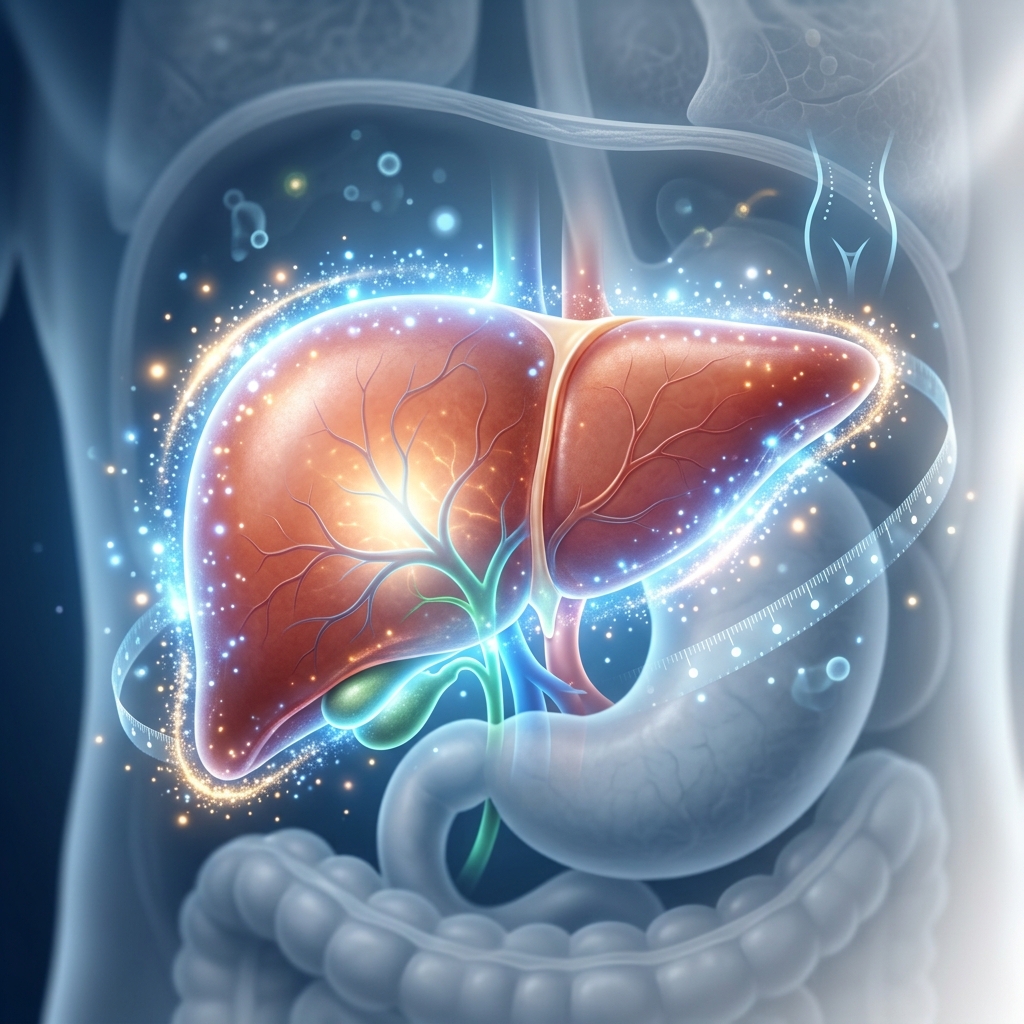

Can Ozempic cause elevated liver enzymes? Learn the Warning Signs Can Ozempic cause elevated liver enzymes? Learn the Warning Signs

Can Ozempic cause elevated liver enzymes? Learn the Warning Signs

Can Ozempic cause elevated liver enzymes? Learn the warning signs! Discover critical information to protect your health-click now for essential insights.

As more individuals turn to Ozempic for weight management and diabetes control, understanding its potential side effects, including elevated liver enzymes, becomes critical. Elevated liver enzymes can indicate liver inflammation or damage, which is essential to monitor for anyone undergoing this treatment.

Patients may wonder if their current medications are affecting their liver health, prompting them to seek answers. This concern is valid, especially as awareness grows about the importance of liver function in overall health. By understanding the warning signs and the implications of elevated liver enzymes, patients can advocate for their health and engage in informed discussions with their healthcare providers.

In this article, we will explore the relationship between Ozempic and liver enzyme levels, the symptoms to watch for, and the necessary steps to take if concerns arise. Stay informed to ensure your treatment journey remains safe and effective.

Can Ozempic Affect Your Liver Health?

Can Ozempic Affect Your Liver Health?
Ozempic, a medication primarily used for managing Type 2 diabetes, has drawn attention not only for its effectiveness in blood sugar control and weight management but also for its potential effects on liver health. While many patients experience positive outcomes, it’s essential to recognize that any medication can have side effects, including the possibility of elevated liver enzymes. Understanding how Ozempic interacts with liver function is crucial for both patients and healthcare professionals.

Recent studies and clinical observations have identified a potential link between Ozempic and elevated liver enzyme levels. This elevation can indicate liver stress or damage, prompting a need for careful monitoring. Patients on Ozempic should routinely undergo liver function tests, particularly if they have pre-existing liver conditions or a history of liver disease. Engaging in proactive monitoring ensures that any changes in liver enzymes can be addressed swiftly, minimizing complications.

Key warning signs of liver issues may include symptoms such as unexplained fatigue, persistent nausea, jaundice (yellowing of the skin and eyes), or dark urine. If patients experience any of these symptoms, it is crucial to seek medical advice promptly. Additionally, lifestyle factors such as alcohol consumption, significant weight changes, and the use of other medications can contribute to liver strain, making it vital for patients to discuss their full medical history with their healthcare providers.

Ultimately, the potential for Ozempic to affect liver health underscores the importance of comprehensive medical supervision throughout treatment. Patients are encouraged to maintain open lines of communication with their healthcare teams to manage their therapy safely and effectively. By adhering to recommended lab testing and being vigilant for symptoms, individuals can mitigate risks and ensure that their treatment regimen remains beneficial.

Understanding Elevated Liver Enzymes: What to Know

Elevated liver enzymes can serve as critical indicators of liver health, reflecting the liver’s response to various factors, including medications like Ozempic. The liver is responsible for processing many substances, including drugs, and any disruption in its function can result in elevated enzyme levels, signaling potential inflammation or damage. Understanding how to interpret these enzyme levels can empower patients and healthcare providers to catch issues early and mitigate risks.

When liver cells are damaged or inflamed, they may release enzymes into the bloodstream. Commonly monitored liver enzymes include alanine aminotransferase (ALT) and aspartate aminotransferase (AST). Typically, normal ranges for ALT are around 7 to 56 units per liter, while AST ranges from 10 to 40 units per liter. However, values can vary based on several factors, including age, sex, and specific laboratory standards. If levels rise significantly above these ranges, it may indicate that the liver is under stress, possibly due to medication like Ozempic or other underlying health conditions.

Recognizing the signs of elevated liver enzymes is crucial for timely intervention. Patients should be aware of symptoms like persistent tiredness, nausea, jaundice, or dark urine, which can indicate liver issues. Regular liver function tests are important for patients on Ozempic, particularly in the presence of pre-existing liver conditions or other risk factors, such as excessive alcohol consumption or concurrent use of different medications. Open communication with healthcare providers regarding any unusual symptoms or concerns about therapy can lead to more targeted management and preventive measures.

Satellites around drug interactions and lifestyle choices that could exacerbate liver strain underlie the importance of personalized treatment strategies. For instance, some medications may further increase liver enzyme levels, necessitating adjustments to therapy or increased monitoring. Additionally, adopting a liver-friendly lifestyle -such as maintaining a healthy weight, managing alcohol intake, and ensuring proper hydration-can further support liver health while undergoing treatment with Ozempic. Through vigilant monitoring and proactive management, risks associated with elevated liver enzymes can be effectively minimized.

Common Warning Signs of Liver Issues with Ozempic

Common Warning Signs of Liver Issues with Ozempic
Recognizing the early signs of liver distress is crucial, especially for patients undergoing treatment with Ozempic. While many individuals tolerate the medication well, some may experience changes in liver function that necessitate prompt attention. Awareness of these symptoms can empower patients to seek medical advice before any complications arise.

Common warning signs of liver issues related to Ozempic include:

  • Persistent Fatigue: An unusual and ongoing feeling of tiredness can indicate that the liver is not functioning optimally.
  • Nausea or Vomiting: Gastrointestinal upset, such as recurring nausea, can be a response to liver stress.
  • Jaundice: Yellowing of the skin and eyes is a clear indicator of liver dysfunction and should be monitored closely.
  • Dark Urine: A noticeable change in urine color to a dark hue may suggest excessive bilirubin in the bloodstream, a potential sign of liver issues.
  • Abdominal Pain: Discomfort or pain in the upper right side of the abdomen can signify inflammation or other liver-related concerns.
  • Pale or Clay-Colored Stool: This color change can indicate a reduction in bile flow, often linked to liver problems.

It is important for individuals taking Ozempic to report any of these symptoms to their healthcare provider immediately, as early detection can facilitate timely intervention. Regular monitoring of liver enzymes alongside attention to any physical changes ensures that any potential issues are addressed proactively. Engaging in open dialogues with healthcare professionals regarding ongoing symptoms and concerns can help tailor treatment strategies effectively, minimizing risks associated with elevated liver enzymes.

How Ozempic Works and Its Impact on the Liver

How Ozempic Works and Its Impact on the Liver
Ozempic, known generically as semaglutide, is a medication primarily used for managing type 2 diabetes and can also aid in weight loss. As effective as it is, understanding its mechanism of action and potential effects on liver health is crucial for individuals undergoing treatment. Ozempic mimics the activity of the naturally occurring hormone GLP-1 (glucagon-like peptide-1), which plays a significant role in glucose metabolism. By stimulating insulin secretion when blood sugar levels rise and inhibiting glucagon release, Ozempic helps lower overall blood sugar levels, which, in turn, can reduce the burden on the liver.

Despite the benefits, there is growing concern about the impact of Ozempic on liver enzymes. In some patients, the medication has been associated with elevated liver enzyme levels, which can indicate potential liver distress or damage. This elevation may arise from the medication’s effects on metabolic processes that involve the liver, particularly its role in processing fats and sugars. Although not exceedingly common, changes in liver enzymes warrant vigilant monitoring, especially in individuals with pre-existing liver conditions or those taking other medications that stress liver function.

Patients should be proactive in maintaining regular liver function tests during Ozempic therapy. These tests measure enzymes such as ALT (alanine aminotransferase) and AST (aspartate aminotransferase), and any significant deviations from normal levels should trigger an evaluation. Engaging in healthful lifestyle choices, such as adhering to a balanced diet, avoiding excessive alcohol consumption, and managing weight, can further support liver health while on Ozempic. Open communication with healthcare professionals about any concerns or symptoms is essential for timely intervention and personalized management.

Risk Factors for Liver Enzyme Elevation on Ozempic

Ozempic may provide significant benefits for managing blood sugar and assisting with weight loss, but it is also essential for patients to be aware of certain risk factors that could lead to elevated liver enzyme levels during the treatment. Elevated liver enzymes can indicate that the liver is under stress and potentially experiencing harm, prompting the need for careful monitoring and proactive management.

Several factors can increase the likelihood of elevated liver enzymes while using Ozempic. First, individuals with pre-existing liver conditions, such as non-alcoholic fatty liver disease or hepatitis, may be at a heightened risk. These patients often require closer observation and may need to adjust their treatment strategy based on their liver function. Additionally, obesity and metabolic syndrome are significant factors since they inherently increase the burden on liver health. Individuals fitting these categories should discuss tighter monitoring with their healthcare provider.

Another important consideration is the use of concomitant medications that require liver metabolism. Drugs such as statins and certain anticonvulsants can further stress the liver when taken alongside Ozempic. Patients should maintain an open dialogue regarding all medications and supplements they are using to ensure that their healthcare provider can assess any potential interactions or cumulative effects on liver function.

Lifestyle choices also play a critical role in managing liver health during Ozempic therapy. Consuming a diet high in processed sugars, saturated fats, and alcohol can exacerbate liver enzyme elevations. It is recommended to adopt a balanced diet rich in fruits, vegetables, lean proteins, and whole grains, while remaining hydrated. Incorporating regular physical activity not only aids in weight management but can also promote overall liver health by improving lipid profiles and reducing fat accumulation in the liver.

Regular liver function tests to monitor levels of ALT and AST should be part of the ongoing management plan for anyone on Ozempic, especially those identified at risk. Identifying trends in liver function early helps ensure a timely and appropriate response to any concerning changes.

What Are Normal Liver Enzyme Levels?

Understanding normal liver enzyme levels is crucial for anyone on Ozempic, especially considering the potential for elevated liver enzymes, which can indicate liver stress or damage. Two key enzymes that are typically monitored are alanine aminotransferase (ALT) and aspartate aminotransferase (AST). For most adults, normal ranges for these enzymes are as follows:

EnzymeNormal Range
ALT7 to 56 units per liter (U/L)
AST10 to 40 U/L

It’s essential to recognize that these values can vary slightly based on the laboratory and the population being tested. Factors such as age, sex, and individual health status can also influence these enzyme levels. For example, certain lifestyle choices, medications, and pre-existing health conditions might lead to fluctuations.

When interpreting liver enzyme levels, a small increase might not be clinically significant, but consistently elevated levels can raise concerns about potential liver damage or dysfunction. A healthcare professional should evaluate any abnormal results, especially in the context of other symptoms or health issues. It’s advisable for patients to discuss their liver function test results with their healthcare provider, who can offer advice tailored to their specific situation, including potential alterations to Ozempic therapy if needed.

Monitoring liver enzyme levels and understanding the normal ranges empower patients on Ozempic to engage actively in their health care and address any issues early in treatment. Regular testing, often during routine visits, is a key component of managing the balance between the benefits of Ozempic for diabetes care and the health of your liver.

When to Consult a Healthcare Professional

It’s not uncommon for patients on Ozempic to wonder about the implications for their liver health, especially when faced with abnormal liver enzyme levels. While they may not experience immediate symptoms, it’s crucial to recognize when to seek guidance from a healthcare professional. One significant reason to consult your doctor is if you notice any sudden or unexplained changes in your health, such as persistent fatigue, unusual jaundice (yellowing of the skin or eyes), or abdominal pain, particularly in the upper right quadrant. These may signal potential liver issues that warrant immediate evaluation.

In addition to these symptoms, routine blood tests revealing elevated liver enzymes should prompt a discussion with your healthcare provider. As liver function tests are often part of regular monitoring, consistently high readings of ALT or AST beyond normal ranges-those typically set at 7 to 56 units per liter (U/L) for ALT and 10 to 40 U/L for AST-should not be overlooked. Engaging your provider in conversations about your results can facilitate timely adjustments to your treatment plan or further diagnostic testing, ensuring that your liver health is closely monitored while you continue with Ozempic.

Moreover, patients with pre-existing liver conditions, those taking medications that might impact liver function, or individuals drinking alcohol should be especially vigilant. Discussing any significant lifestyle changes or new medications is vital, as these factors can exacerbate the risk of liver-related complications. Establishing a proactive relationship with your healthcare team will help tailor your diabetes management plan and safeguard your liver health, ensuring that Ozempic’s benefits continue without undue risk.

Managing Liver Health While on Ozempic

Taking proactive steps to manage liver health is crucial for those on Ozempic, especially considering the potential for elevated liver enzymes. Being informed and vigilant can significantly influence outcomes and help mitigate risks associated with the medication. Start by incorporating regular monitoring of liver function tests, as these can provide essential insights into how your liver is responding to the therapy. If you notice any significant changes in your results, such as consistent elevations in ALT or AST levels, it’s imperative to discuss these findings with your healthcare provider promptly.

Incorporating a balanced lifestyle can further support liver health. This includes maintaining a well-rounded diet rich in vegetables, fruits, whole grains, and lean proteins, while limiting the intake of processed foods and high-fat meals. Staying hydrated and monitoring alcohol consumption is equally important, as alcohol can exacerbate liver issues, particularly when combined with medications such as Ozempic. Regular exercise not only helps manage weight but also supports overall liver function by improving metabolic health, which can reduce the burden on the liver.

When considering other medications or supplements, consult your healthcare provider to avoid potential interactions that may impact liver health. Some medications, whether prescription or over-the-counter, can stress the liver further, so a comprehensive review of all substances you are taking is vital. Establishing a strong partnership with your healthcare team allows for timely adjustments in your treatment plan, ensuring that both your diabetes management and liver health are effectively addressed.

Lastly, engage in open conversations with your doctor about any symptoms or side effects you experience. Early recognition of issues, such as fatigue, jaundice, or unusual abdominal pain, can lead to quicker interventions that are essential for maintaining optimal liver function while on Ozempic. By taking these proactive measures, you can preserve your liver health while benefiting from the therapeutic effects of the medication.

Evaluating Liver Function Tests: A Practical Guide

Evaluating liver function tests is a crucial aspect of monitoring health for individuals on Ozempic, given the potential risk of elevated liver enzymes associated with this medication. Elevated liver enzymes may indicate liver stress or damage, so understanding how to interpret these tests can provide crucial insights into one’s health status while undergoing treatment.

Liver function tests typically measure various enzymes, with the most commonly assessed being alanine aminotransferase (ALT) and aspartate aminotransferase (AST). These enzymes help gauge liver health, and higher than normal levels can signal inflammation or damage. Regular monitoring is essential; a baseline reading should be established before starting Ozempic, enabling healthcare providers to track any changes effectively. Patients should keep in mind that transient elevations can occur, and consistent patterns are more relevant than isolated spikes.

To facilitate effective monitoring, maintain a log of your liver function tests that includes the following details:

  • Date of the test
  • ALT and AST levels
  • Any symptoms experienced, such as fatigue or abdominal pain
  • Details about any other medications you are taking

This log can help you and your healthcare provider spot trends over time. If your tests indicate elevated enzyme levels, it is vital to consult your healthcare provider to understand the implications. They may recommend additional testing or alterations in your medication plan to safeguard your liver health.

Patients should also be educated about potential symptoms that may arise if liver issues develop, including jaundice (yellowing of the skin or eyes), dark urine, or persistent fatigue. Recognizing these signs early can lead to timely interventions, enhancing overall treatment efficacy while minimizing risks. By actively participating in your care and keeping track of relevant data, you can play a significant role in managing your liver health during Ozempic therapy.

Potential Interactions Between Ozempic and Other Medications

Interactions between Ozempic (semaglutide) and other medications are an important consideration for patients managing both their diabetes and potential liver health issues. Ensuring safe and effective treatment often requires evaluating the entire medication regimen, particularly because some drugs may significantly influence each other’s effectiveness or increase the risk of adverse side effects, including elevated liver enzymes.

Understanding Key Interactions

Ozempic has a known interaction profile that includes other glucose-lowering agents, notably insulin and sulfonylureas. When combined with these medications, there is a potential risk of hypoglycemia, which can lead to confusion and lethargy, complicating overall patient management. Therefore, regular monitoring of blood glucose levels is essential, especially when introducing Ozempic into a treatment plan that already includes other diabetic medications. Healthcare providers often recommend adjusting dosages of these medications when initiating Ozempic to mitigate such risks.

In addition to diabetes medications, it’s crucial to consider other classes of drugs, such as anticoagulants or anti-inflammatory medications, which could have implications for liver health. For example, certain non-steroidal anti-inflammatory drugs (NSAIDs) can heighten the risk of liver stress when combined with Ozempic, necessitating careful evaluation of their combined use. A thorough review of a patient’s current medications allows healthcare professionals to preemptively address these interactions, potentially integrating liver function monitoring into routine care.

Action Steps for Patients

Patients should maintain open communication with their healthcare providers regarding all medications they are taking, including over-the-counter drugs and supplements. Keeping a comprehensive list can help providers identify potential interactions with Ozempic. Here are some practical tips for managing medications safely:

  • Always inform your healthcare provider about any new medications or changes to existing prescriptions.
  • Regularly monitor liver function tests, especially when starting or adjusting dosage of Ozempic or other medications.
  • Discuss symptoms such as jaundice, fatigue, or changes in urination with your healthcare provider immediately if they arise.
  • Avoid discontinuing or changing medications without first consulting with your healthcare professional.

Staying proactive about medication management can significantly contribute to safeguarding both your liver health and the overall effectiveness of your diabetes treatment plan. By understanding potential interactions and collaborating closely with healthcare providers, patients can enhance their management strategies and minimize risks associated with Ozempic therapy.

Lifestyle Tips to Support Liver Health During Treatment

Maintaining liver health while on Ozempic is crucial, especially given the potential for elevated liver enzymes. Understanding how lifestyle choices can contribute to liver well-being can empower patients and healthcare providers alike to mitigate risks associated with this medication. A well-rounded approach can make a significant difference in overall liver function and patient comfort during treatment.

One foundational aspect is maintaining a balanced diet rich in nutrients that support liver health. Incorporating foods high in antioxidants such as green leafy vegetables, berries, and nuts can bolster liver function and reduce oxidative stress. Similarly, emphasizing lean proteins and healthy fats, like those found in fish, avocados, and olive oil, can provide the necessary building blocks for liver cells while promoting metabolic health. Patients should also limit saturated fats, refined sugars, and processed foods, which can contribute to liver fat accumulation and inflammation.

Regular physical activity is equally important in managing both weight and liver health. Engaging in moderate aerobic exercises, such as walking, cycling, or swimming, can help reduce liver fat and improve insulin sensitivity. Aim for at least 150 minutes of moderate-intensity exercise weekly, as this not only supports liver function but also aids in diabetes management. Weight management can play a crucial role in preventing liver complications, particularly for those who may be predisposed to fatty liver disease.

Staying hydrated is another simple yet effective way to support liver health. Water helps maintain optimal metabolic processes and is essential for detoxification. Aim to drink at least eight glasses of water a day, adjusting based on activity levels and climate. Additionally, avoiding excessive alcohol consumption is critical, as alcohol can exacerbate liver enzyme elevation and strain liver function further.

Understanding when to seek medical advice is essential. Patients on Ozempic should actively participate in their healthcare by keeping track of any unusual symptoms, including fatigue, jaundice, or significant changes in appetite. Regular follow-ups with healthcare providers for liver function tests can facilitate early detection of any abnormalities, ensuring timely intervention when necessary.

By adopting these lifestyle practices, patients can enhance their liver health and optimize their experience with Ozempic therapy, making informed choices that positively impact their overall well-being.

Frequently Asked Questions About Ozempic and Liver Enzymes

Elevated liver enzymes during Ozempic therapy can raise concerns for both patients and healthcare providers. Understanding the nuances behind this issue is essential for effective management and maintaining overall health. Ozempic, a GLP-1 receptor agonist, helps control blood sugar levels in individuals with type 2 diabetes, but it can impact liver function in some cases. This makes it crucial to stay informed about symptoms, diagnostics, and actionable steps to promote liver health.

One of the most common questions revolves around whether Ozempic can directly cause liver damage. While some patients may experience elevated liver enzymes, which can indicate liver stress or injury, this does not necessarily mean that the drug is causing liver damage. These enzyme elevations often occur transiently and may be influenced by underlying conditions such as obesity, fatty liver disease, or concomitant medications. It’s vital for healthcare providers to assess these factors when interpreting liver function tests.

Patients frequently inquire about warning signs that might indicate liver issues while on Ozempic. Common symptoms include fatigue, jaundice (yellowing of the skin or eyes), abdominal pain, and unexplained weight loss. If any of these symptoms manifest, patients should promptly consult their healthcare provider for an evaluation. Regular monitoring of liver enzymes is also advisable, typically at baseline and periodically during treatment, to ensure any elevations are identified and managed quickly.

To support liver health during Ozempic therapy, patients can adopt several lifestyle modifications. These include maintaining a balanced diet rich in fruits, vegetables, and lean proteins, while also minimizing alcohol intake and processed foods, which can exacerbate liver stress. Regular physical activity not only aids glucose control but also helps improve hepatic function. Lastly, staying well-hydrated can facilitate detoxification processes within the liver, contributing to overall metabolic health.

In summary, being proactive about monitoring liver function and recognizing symptoms can significantly enhance patient outcomes while on Ozempic. Engaging in open conversations with healthcare professionals about concerns related to liver health ensures that any potential issues are addressed efficiently, fostering a more effective and safer treatment experience.

Faq

Q: Can Ozempic cause liver damage?
A: Yes, Ozempic can potentially cause liver damage. It may elevate liver enzymes, indicating liver stress or injury. Regular monitoring of liver function tests is essential to ensure liver health while on this medication. Consult your healthcare provider if you notice any symptoms suggestive of liver issues.

Q: What are the early signs of elevated liver enzymes on Ozempic?
A: Early signs of elevated liver enzymes may include fatigue, abdominal pain, dark urine, or jaundice. These symptoms should be promptly evaluated by a healthcare professional to determine if they are related to Ozempic treatment. Regular screenings can help detect changes early.

Q: Is liver health monitoring necessary when taking Ozempic?
A: Yes, routine liver health monitoring is advisable when taking Ozempic. Regular liver function tests can detect any abnormal enzyme levels early, allowing for timely intervention if necessary. Discuss a monitoring schedule with your healthcare provider to stay proactive.

Q: What should I do if I experience liver-related symptoms while on Ozempic?
A: If you experience symptoms like severe fatigue, abdominal discomfort, or jaundice while taking Ozempic, contact your healthcare professional immediately. They may perform liver function tests to assess your liver health and determine the appropriate course of action.

Q: Can lifestyle factors influence liver enzymes while on Ozempic?
A: Yes, lifestyle factors such as alcohol consumption, diet, and exercise can significantly impact liver health and enzyme levels. Maintaining a balanced diet, avoiding excessive alcohol, and adopting a regular exercise routine can help support liver function during Ozempic treatment.

Q: How long does it take for elevated liver enzymes to normalize after stopping Ozempic?
A: After discontinuing Ozempic, elevated liver enzymes may take several weeks to months to normalize, depending on the individual’s overall health and the extent of liver enzyme elevation. Follow-up with your healthcare provider is crucial to monitor liver function during this period.

Q: What complications can arise from elevated liver enzymes due to Ozempic?
A: Complications from elevated liver enzymes may include chronic liver disease or hepatic injury. Prolonged elevation can lead to significant liver damage, so it’s vital to address any increases identified during monitoring.

Q: Are there alternatives to Ozempic that have less impact on liver enzymes?
A: Some alternatives to Ozempic, like other classes of diabetes medications, may have different safety profiles regarding liver enzymes. Discussing alternatives with a healthcare provider is essential to find a suitable option based on individual health needs and risks associated with liver health.

Wrapping Up

Understanding the potential effects of Ozempic on liver enzymes is crucial for anyone on this medication. Remember, monitoring your health and being aware of warning signs like fatigue or jaundice is key. If you have concerns, consult your healthcare provider immediately for personalized advice. For further exploration, check out “Managing Ozempic Side Effects” and “Understanding Liver Health,” which offer valuable insights into maintaining your wellness during treatment.

Don’t miss out on up-to-date information; subscribe to our newsletter for the latest findings and expert tips. Engaging with our community by sharing your experiences or asking questions can also benefit others navigating similar challenges. Your health matters-take action today, stay informed, and confidently manage your treatment.

Leave a Reply

Your email address will not be published. Required fields are marked *